
Alien: Earth (2025) Review — The Xenomorph Comes Home and It’s Terrifying

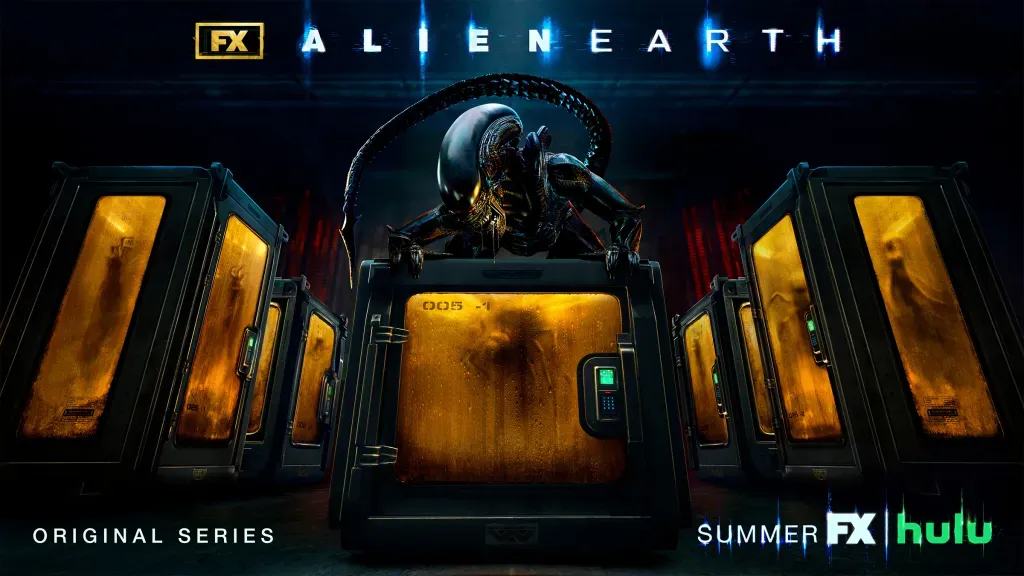
A sleek, Earthbound prequel that’s scary, stylish, and savagely smart about capitalism, identity, and the price of “forever.”
The Alien franchise has always been at its meanest when it remembers two principles: (1) people are squishy, and (2) corporations are worse. Alien: Earth, Noah Hawley’s new FX series, drags both truths out of the airlock and into our front yard. We’re no longer trapped with the monster in a steel canister drifting through space; the steel canister has crashed in the middle of our cities, and the boardroom is down the street. The result is a glistening, nerve-fraying prequel that honors the original’s industrial dread while expanding the universe’s ideas with patience, bite, and a nasty sense of humor. It premiered August 12 on FX and Hulu in the U.S., with Disney+ carrying it internationally.
The Setup: Earth, 2120 — Where Immortality Is a Business Plan
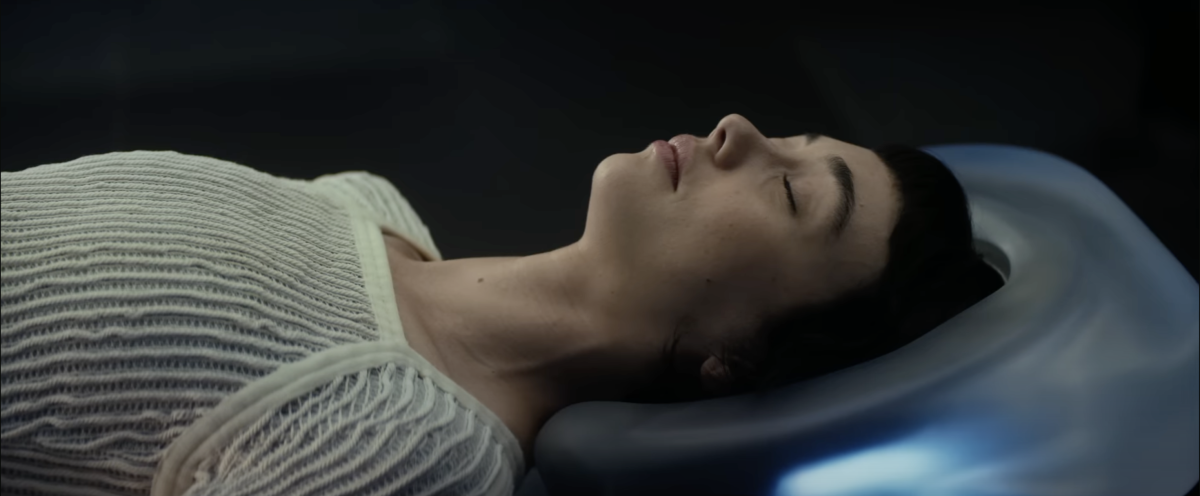
Hawley sets his story in 2120, in a world carved up by megacorps whose R&D focuses on winning a “race for immortality.” Three technologies dominate: cyborg augmentation, synthetic life, and hybrids—synthetic bodies carrying copied human consciousness. The first hybrid is Wendy (Sydney Chandler), a terminally ill girl whose mind is transferred into an adult synthetic body; she quickly becomes the conscience, and occasionally the fist, of the show. Meanwhile, the research vessel USCSS Maginot plummets to Earth carrying several very bad passengers, forcing rival corporations—Prodigy and Weyland-Yutani—into a scramble that mixes salvage, theft, and cleanup with plausible deniability.
If you’re hearing echoes of Alien’s blue-collar fatalism, that’s deliberate. But Alien: Earth widens the aperture: instead of one enclosed nightmare, we get a sprawl of crash sites, corporate labs, and contested urban ruins. As a franchise move, bringing the xenomorph home could have flattened the tension. Hawley dodges the trap by making Earth feel less safe, not more.
What’s Familiar, What’s New
What’s familiar: the tactile grime, the retro-tech readouts, the quiet-before-the-scream staging of attacks. What’s new: an almost cyberpunk layer of labor disputes, venture-capital hubris, and identity horror. The show’s aesthetic—those green-on-black screens, that humming fluorescent menace—acts like a defibrillator on the franchise’s DNA, while the Earthbound setting invites larger, colder questions about who gets to decide what “life” means when consciousness can be uploaded and versioned.
The bigger swing is thematic. Alien has always blended body horror with corporate callousness; Alien: Earth turns that dial to 11 by making the corporate ambition explicitly immortality. It isn’t just “get the specimen”; it’s become the technology that outlives us—an existential gamble that lets the series stitch together its monsters and its boardrooms without feeling schematic.
The Cast: Bright Sparks in a Dark Lab
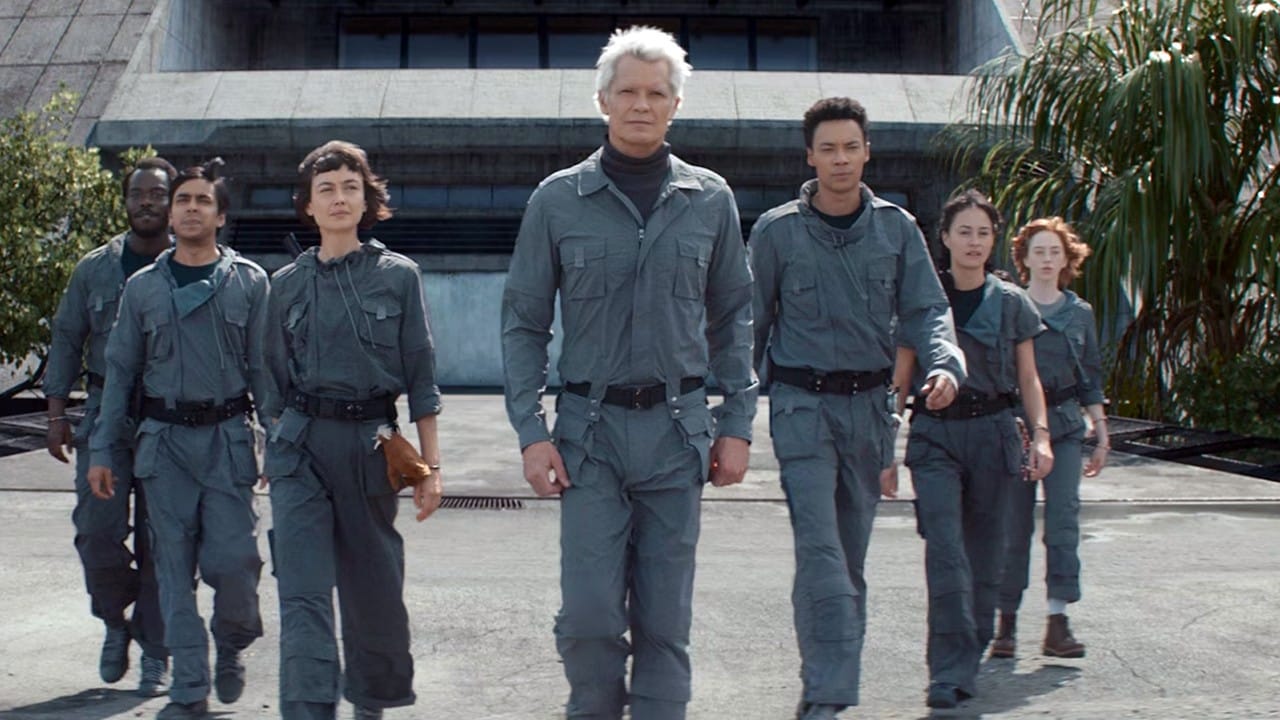
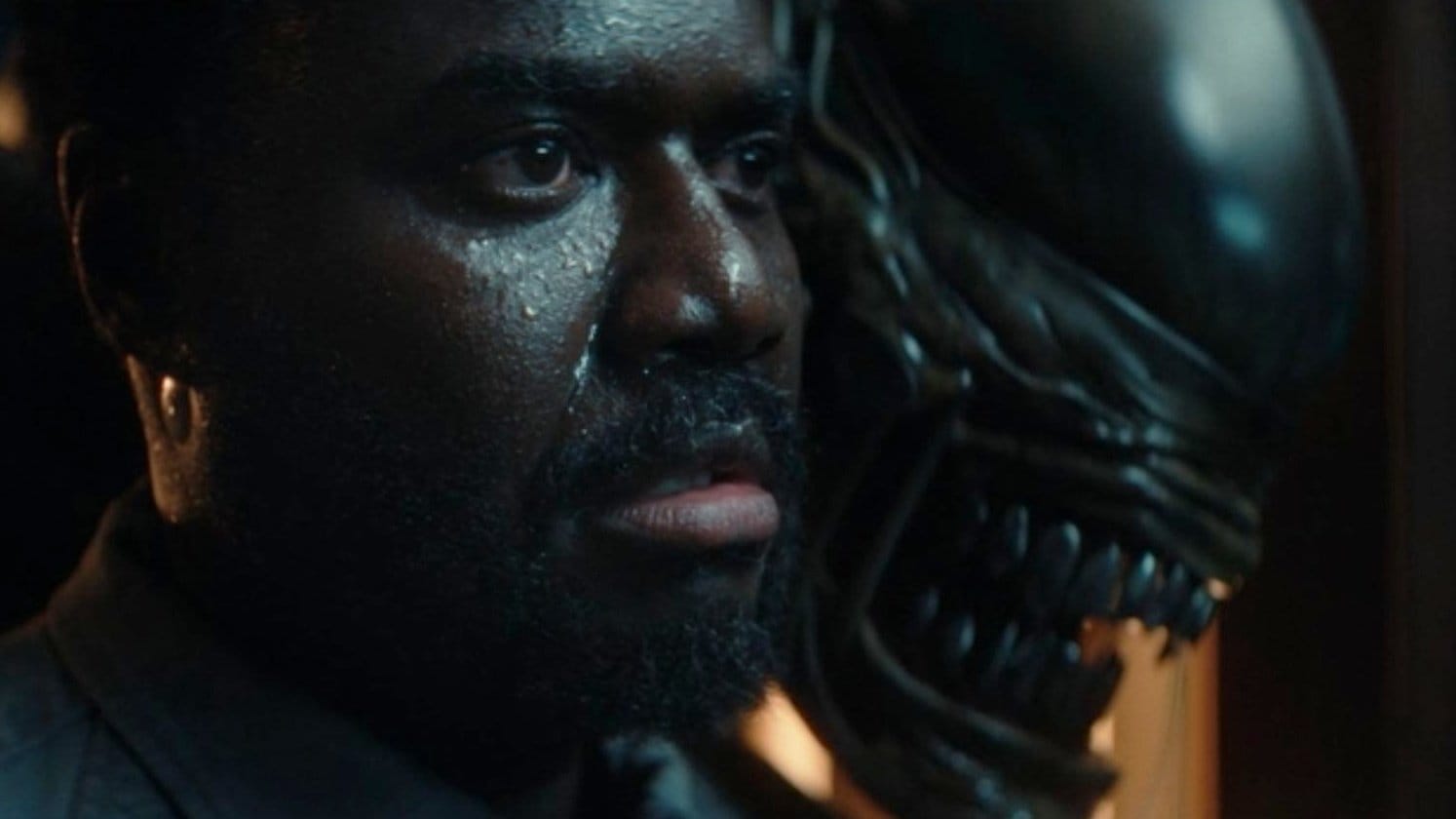
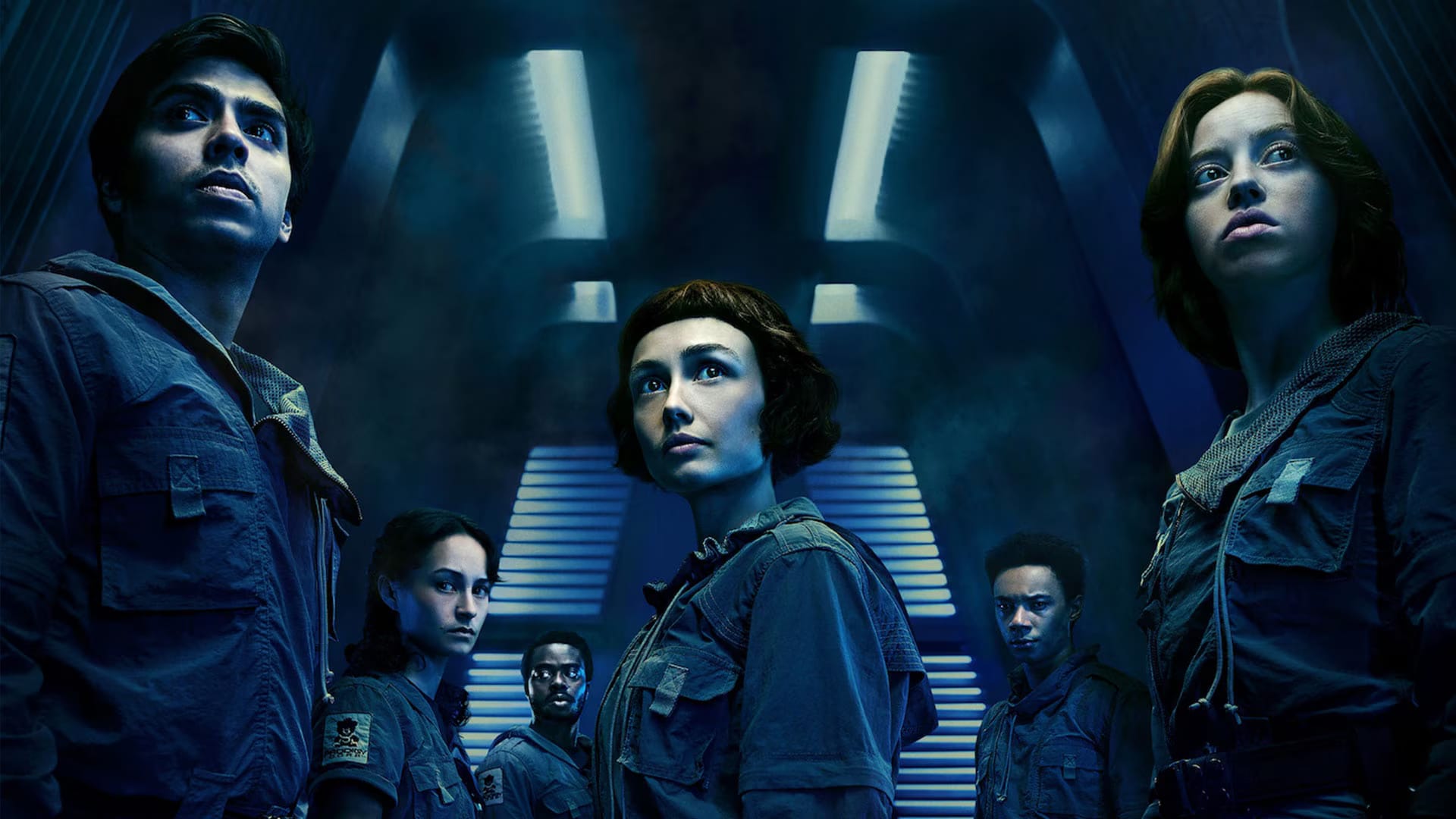
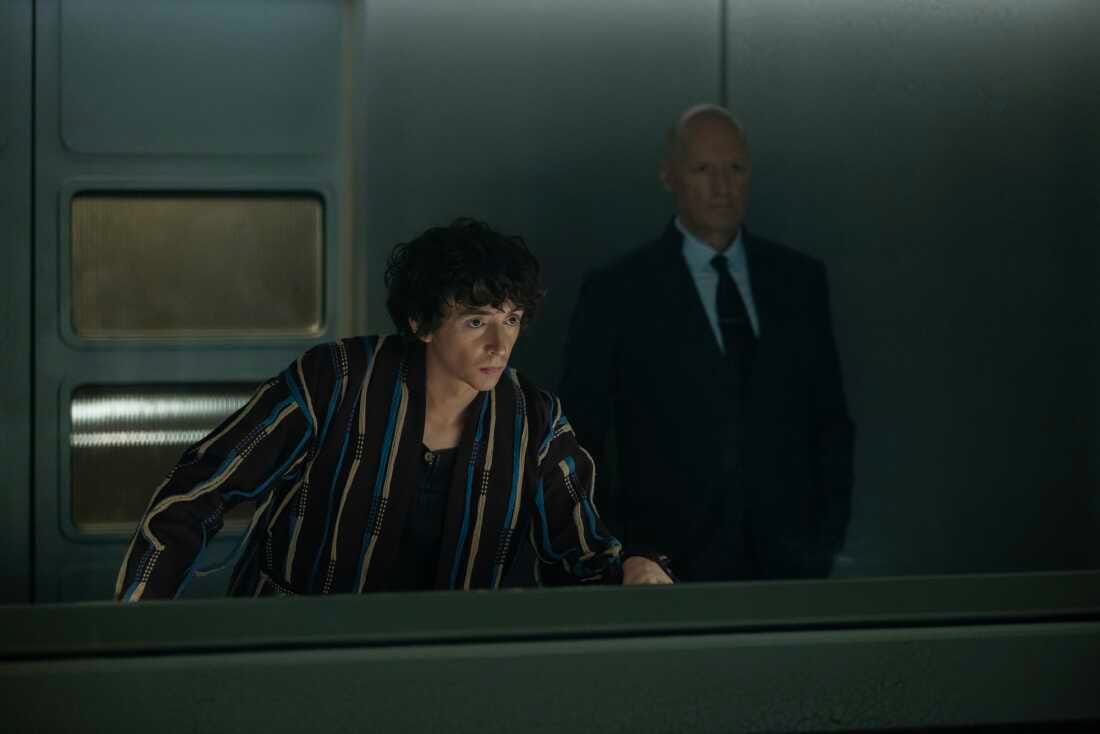
Chandler’s Wendy is a terrific anchor—a child’s curiosity wrapped in a body that can bench-press a forklift, all played with a delicate, uncanny restraint. She reads the world like a new operating system set to “wonder” and “danger” simultaneously. Timothy Olyphant’s Kirsh, Wendy’s soft-spoken mentor, layers paternal warmth over quiet menace; a single tilted smile can feel like a safety on a gun clicking off. Alex Lawther brings attenuated sadness to Hermit, the medic who would rather not be in anyone’s salvation narrative; Samuel Blenkin’s Boy Kavalier—Prodigy’s boy-king CEO—adds a jittery, meme-age charisma that makes every ethical breach feel like a product launch. And Babou Ceesay’s Morrow, the humorless cyborg company man, is the cleanest line the series draws between profit and blood.
It’s a rich ensemble, and the show knows it. Scenes stretch to let actors play the subtext—especially Chandler and Lawther—so that when the horror pops, it feels like a ruptured conversation.
Craft: Cold Beauty, Hot Panic
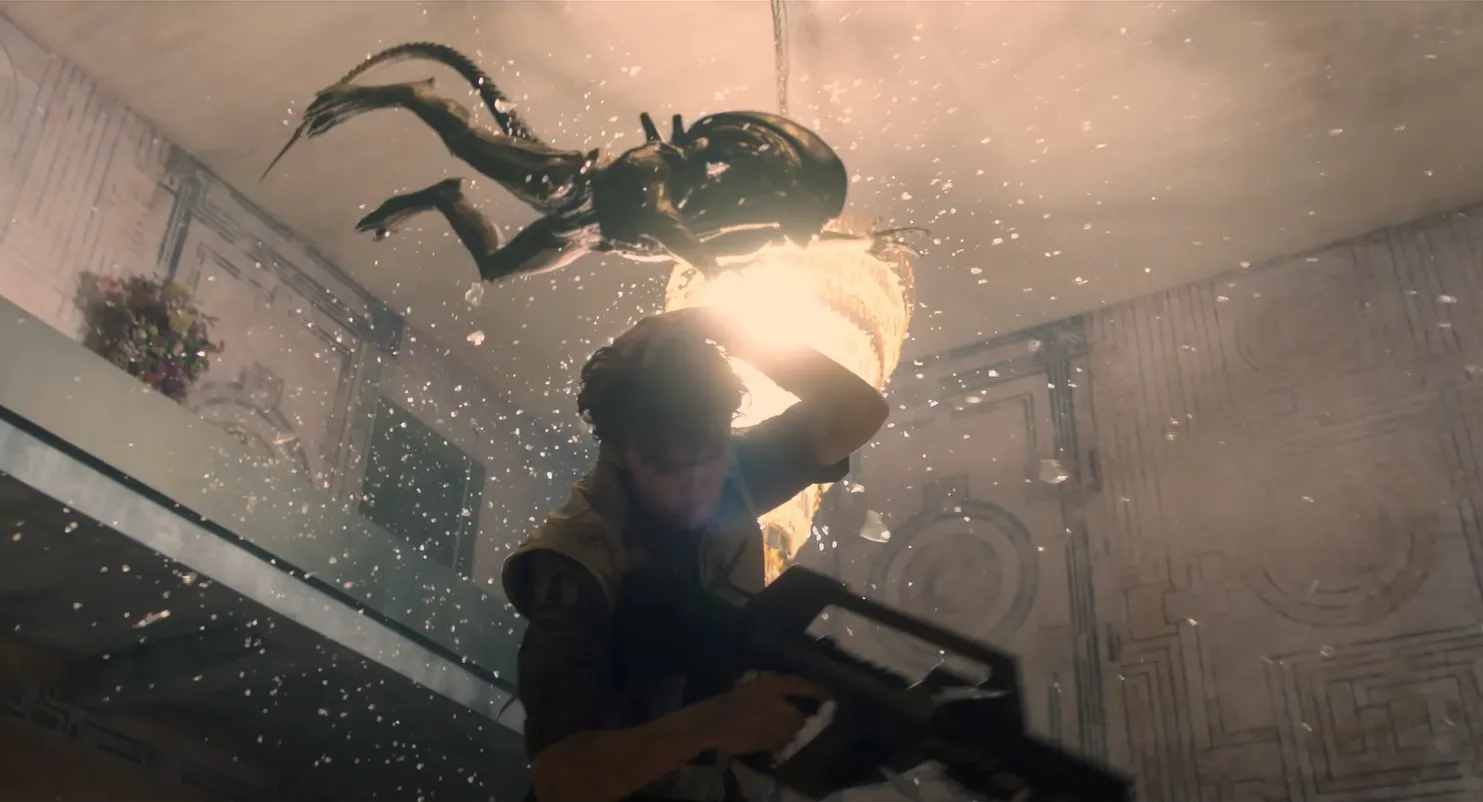
On the craft side, Alien: Earth is a silky piece of television. Hawley directs with the same operatic control fans of Fargo and Legion will recognize, but he dials down the whimsy and lets the camera linger on steel, shadow, and wet things that should not wriggle. Dana Gonzales—serving as both director and director of photography on key episodes—shoots corridors and rooftops as if they’re trap diagrams, all diagonals and occluded sightlines. The Jeff Russo score threads the needle between atmospheric dread and mournful elegy; it’s the sound of a civilization that realizes too late it’s become a Petri dish.
As for the creatures: they’re not shy. The xenomorph—sleeker, somehow hungrier—shares the stage with other abominations whose silhouettes feel instantly wrong to the human eye. Attacks are staged with painterly viciousness; the aftermaths are the most upsetting tableaus you’ve seen on TV since Hannibal.
Pacing & Structure: A Purposeful Slow Burn
The first two hours are a slow, confident burn. If you find yourself briefly unsure what the show is doing, that appears to be by design. Hawley builds tension by implication—wedging dread into quiet lab scenes and boardroom stand-offs—then punctures the calm with action beats that feel brutally earned. Critics have noted the “brilliant and terrifying” world-building and the show’s philosophical bite; others have flagged its opacity. Both are true. If your ideal Alien is a haunted house with a headcount, Alien: Earth gives you that and a macroeconomics lecture—just not in the same scene.
Where It Stumbles (A Bit)
Because Earth is big, the menace can diffuse. Some episodes lean so hard into world mechanics—corporate stratagems, hybrid protocols, salvage rights—that the claustrophobia that powers the franchise thins. That’s a trade the show seems comfortable making, and most of the time it wins. You can feel the occasional wobble when satire edges toward caricature—Boy Kavalier’s TED Talk aura is deliciously on-point but sometimes threatens to smirk the stakes away—but Hawley usually answers with a morally queasy set-piece. A few viewers have also bristled at the show’s glacial exposition and cool affect; if you want immediate catharsis, you’ll need patience.
A Franchise Fit—And a Contemporary Mirror
What makes Alien: Earth more than a greatest-hits compilation is the way it integrates the franchise’s themes with current anxieties: AI, synthetic labor, the economics of “immortality,” and how quickly “innovation” becomes an excuse to treat people like upgradeable assets. Several outlets have drawn comparisons to prestige sci‑fi that prioritizes world-building and political texture—think Andor’s grounded rebellion—only here the rebellion bleeds acid.
Release Schedule: How to Watch Without Getting Spoiled
In the U.S., Alien: Earth airs Tuesdays at 8 p.m. ET / 5 p.m. PT on FX and streams on Hulu the same evening. The first two episodes dropped August 12, and the remaining installments arrive weekly through September 23, for a total of eight episodes this season. Internationally, you can stream it on Disney+. If you’re planning a watch party, memorize the episode titles; by the time you hit “Metamorphosis,” the show’s thesis statement is in the name.
Is It Any Good? (Short Answer: Yes.)
Critics have been enthusiastic: at the time of writing, Alien: Earth sits in the mid‑90s on Rotten Tomatoes with a solid audience score and an 85 on Metacritic. Early reviews highlight the atmosphere, the creature work, and the surprisingly poignant character arcs. Even the “should I?” crowd-pleaser column Stream It or Skip It landed on a firm “Stream it.”
The Hidden Gems & Limelight Verdict
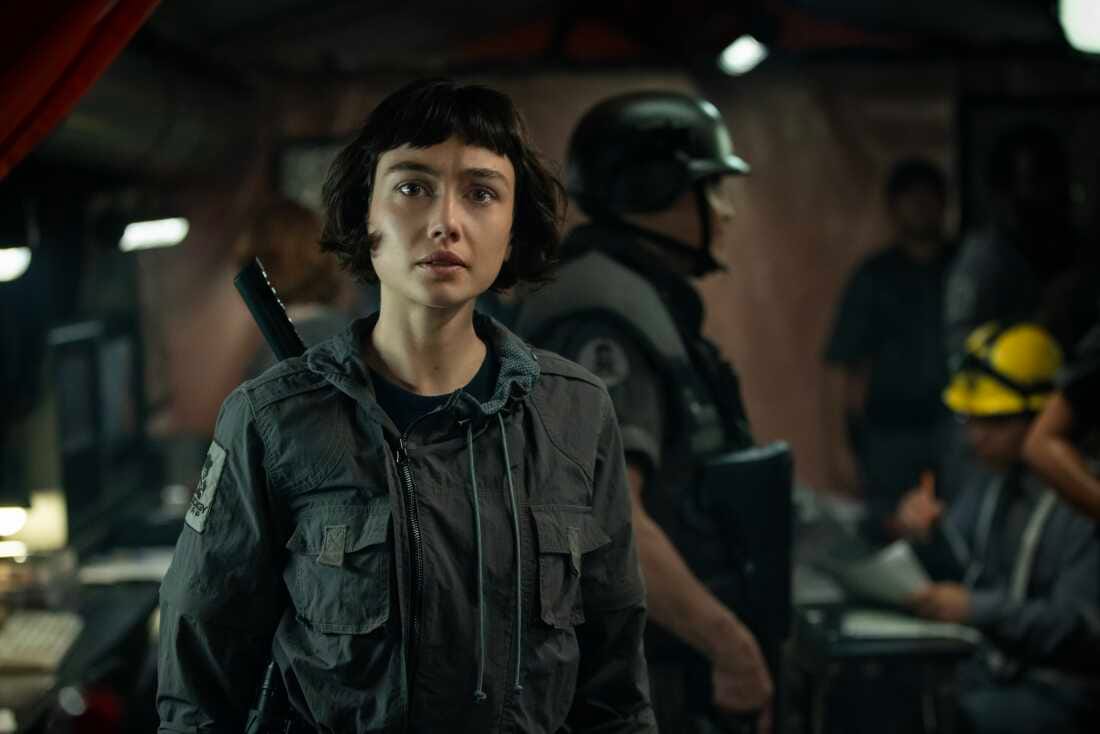
Alien: Earth is the rare legacy prequel that feels predatory rather than parasitic. It doesn’t feed on past glories; it stalks its own prey—ideas about personhood, ownership, and the seductive lie of “living forever”—and strikes with precision. Sydney Chandler gives the franchise its most intriguing protagonist since Ripley: a being that’s both vulnerable and post-human, whose arc reframes the series’ central question. It’s no longer “Who’s expendable?” It’s “What counts as human when the body is optional?”
Is it perfect? No. Now and then the show’s cool intelligence ices over the terror, and the Earthbound sprawl dilutes the submarine‑horror pressure cooker that Alien purists might crave. But Hawley’s control is so assured—and the craft so high—that even the cerebral detours feel like paths to a bigger kill. When the monsters hit, you remember why this franchise colonized our nightmares in the first place.
Bottom line: Stream it, savor it, and don’t watch it with the lights off if you value sleep. The xenomorph is home, and—bad news—it found the spare key.
Quick Facts (for your queue)
- Creator: Noah Hawley; Executive Producers: Hawley, Ridley Scott, David W. Zucker.
- Key Cast: Sydney Chandler (Wendy), Timothy Olyphant (Kirsh), Alex Lawther (Hermit), Samuel Blenkin (Boy Kavalier), Babou Ceesay (Morrow), Essie Davis (Dame Sylvia).
- Where to Watch: FX (Tuesdays), Hulu (U.S.), Disney+ (international).
- Season 1: 8 episodes, weekly through Sept. 23.
- Notable Craftspeople: Dana Gonzales (director/DP), Jeff Russo (score).
If you’ve been waiting for the Alien franchise to evolve without shedding the skin that made it iconic, Alien: Earth is that evolution—sleek, thoughtful, and utterly merciless.