The S Stands for “Second Chance”: James Gunn’s Superman Reboots Hope—and the DCU


David Corenswet’s bright, big-hearted Man of Steel is a crowd-pleaser with a stuffed suitcase. It brings back optimism, a John Williams wink, and one very good dog—while occasionally tripping over its own world‑building.
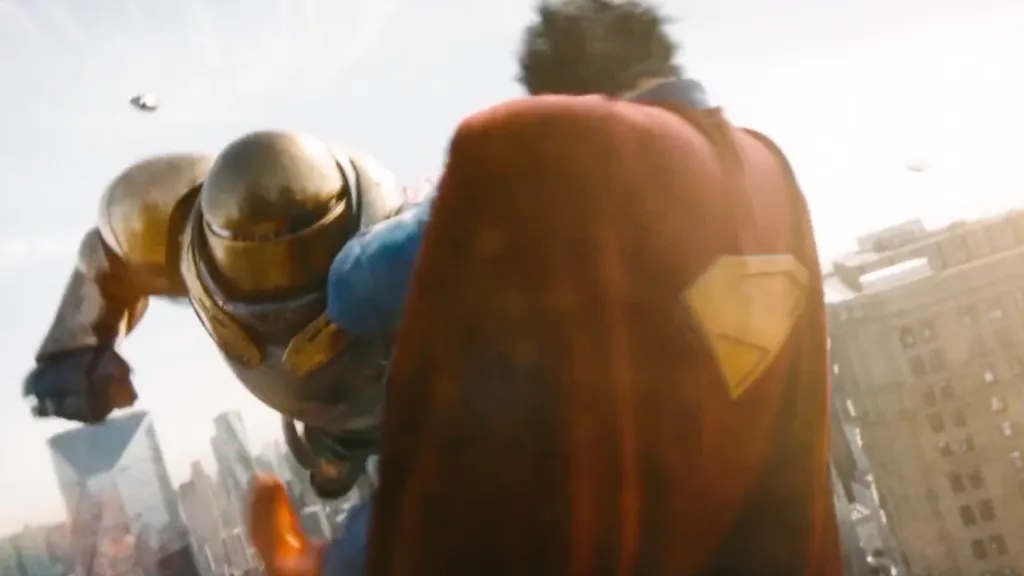
It’s fitting that the first film in James Gunn’s new DC Universe is Superman. If you’re going to relaunch a cinematic continuity, why not start with the first superhero, the one whose logo still reads like a global emoji for “we’ve got this”? Released on July 11, 2025, Superman arrives as the opening volley of DCU Chapter One: Gods and Monsters, carried by a warm‑blooded title performance from David Corenswet and an ethos that proudly rejects the recent fashion for brooding capes. Critics and audiences have met it with enthusiasm—an 83% Tomatometer and 91% audience score on Rotten Tomatoes, with a U.S. digital release that landed August 15—and the box office suggests that sunny idealism can still pack theaters.
The New Guy in the Cape (and Glasses)

Corenswet gives us a Clark Kent who’s less marble bust, more earnest colleague—the guy in the bullpen who always holds the door and somehow files before deadline. Both he and the movie skip the origin beats; when we meet him, he’s already balancing newsroom work at the Daily Planet with the small task of saving the world. That choice keeps the story spry and lets Clark/Lois be a relationship, not a will‑they‑won’t‑they setup. Rachel Brosnahan matches Corenswet with a brisk, hyper‑competent Lois Lane—ambitious, skeptical, deeply human, and sparky enough to ping the movie’s emotional radar even amid midair melees. (Entertainment Weekly’s cast guide is a handy roll call if you’re trying to track the film’s many players.)
Gunn’s tonal reset has won over some notable skeptics. The Washington Post called out Corenswet’s mix of innocence and strength and praised the film’s lighter palette—even as it gently side‑eyed the occasional pinball pacing. That feels right. This Superman is less about existential torment and more about how decency behaves under pressure, with Corenswet’s affable presence holding the center whenever the movie starts juggling one subplot too many.
Lex 3.0: The Tech‑Bro Menace
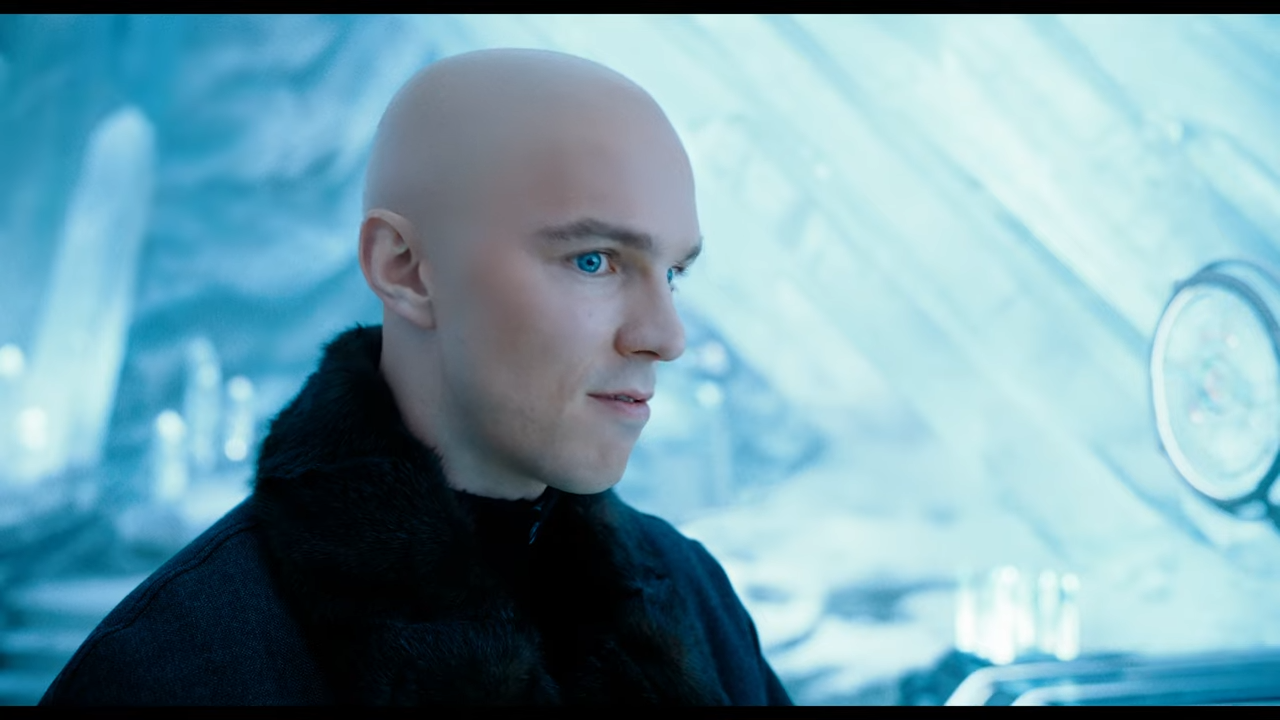
Nicholas Hoult’s Lex Luthor isn’t the cackling mogul of yore; he’s a sleekly modern master of narrative warfare, leveraging disinformation and plausible deniability to frame an alien savior as an existential threat. The Post notes Gunn’s not‑so‑subtle political echoes—fake news farms and manufactured outrage dotted throughout—and Hoult plays it like a TED Talk turned supervillain commencement address. It’s a smart update that makes Lex feel uncomfortably current without strangling the film’s buoyant vibe.
A Whole DCU in Two Hours (…and Change)
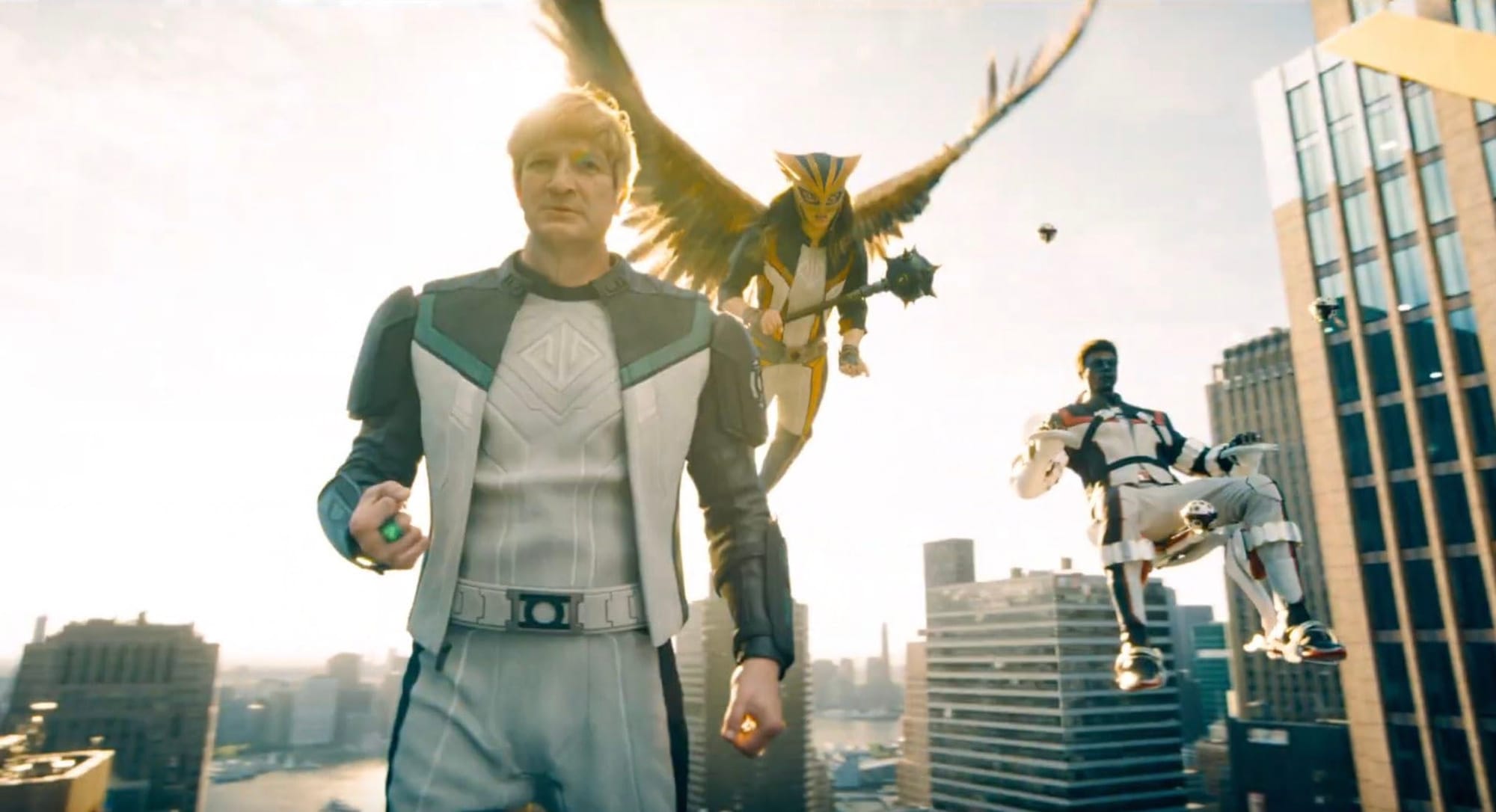
Where Superman gets bold—and occasionally busy—is in its commitment to a fully formed world. Instead of a lone icon operating in a vacuum, Metropolis teems with other heroes and oddballs: Nathan Fillion’s bowl‑cut Green Lantern (Guy Gardner), Isabela Merced’s Hawkgirl, Edi Gathegi’s quietly compelling Mister Terrific, and Anthony Carrigan’s tragic Metamorpho all swing through, with Skyler Gisondo’s Jimmy Olsen snapping photos and deadpan reactions like a pro. It’s a roll call designed to signal a living, breathing DCU rather than a series of disconnected “first chapters.” Even Lex’s entourage nods to Donner DNA, with Sara Sampaio’s Eve Teschmacher and Terence Rosemore’s Otis getting modernized profiles. The sheer crowd can feel overstuffed—Time Out said as much—and yet the ensemble chemistry often sells the density.
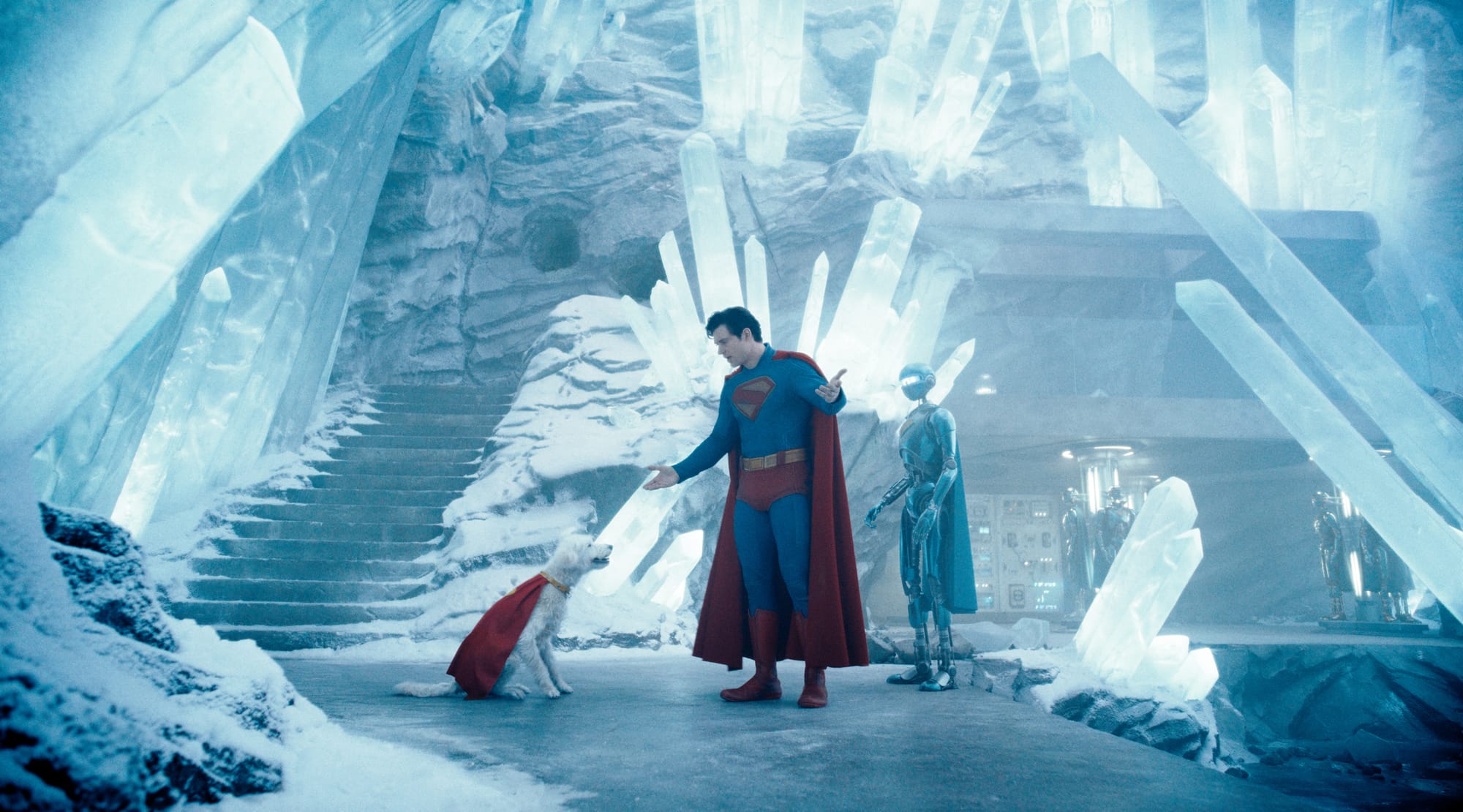
Two standouts deserve special mention. First, Gathegi’s Mister Terrific, played with a scientifically serene gravitas that cuts through the noise; second, Krypto the Superdog, whose scene‑stealing loyalty and timing add flecks of unabashed joy. Even audiences who prefer their superheroes “serious” seemed to rally around Krypto, if Rotten Tomatoes’ audience consensus is any guide.
Plot Without Pain: Big Ideas, Light Feet
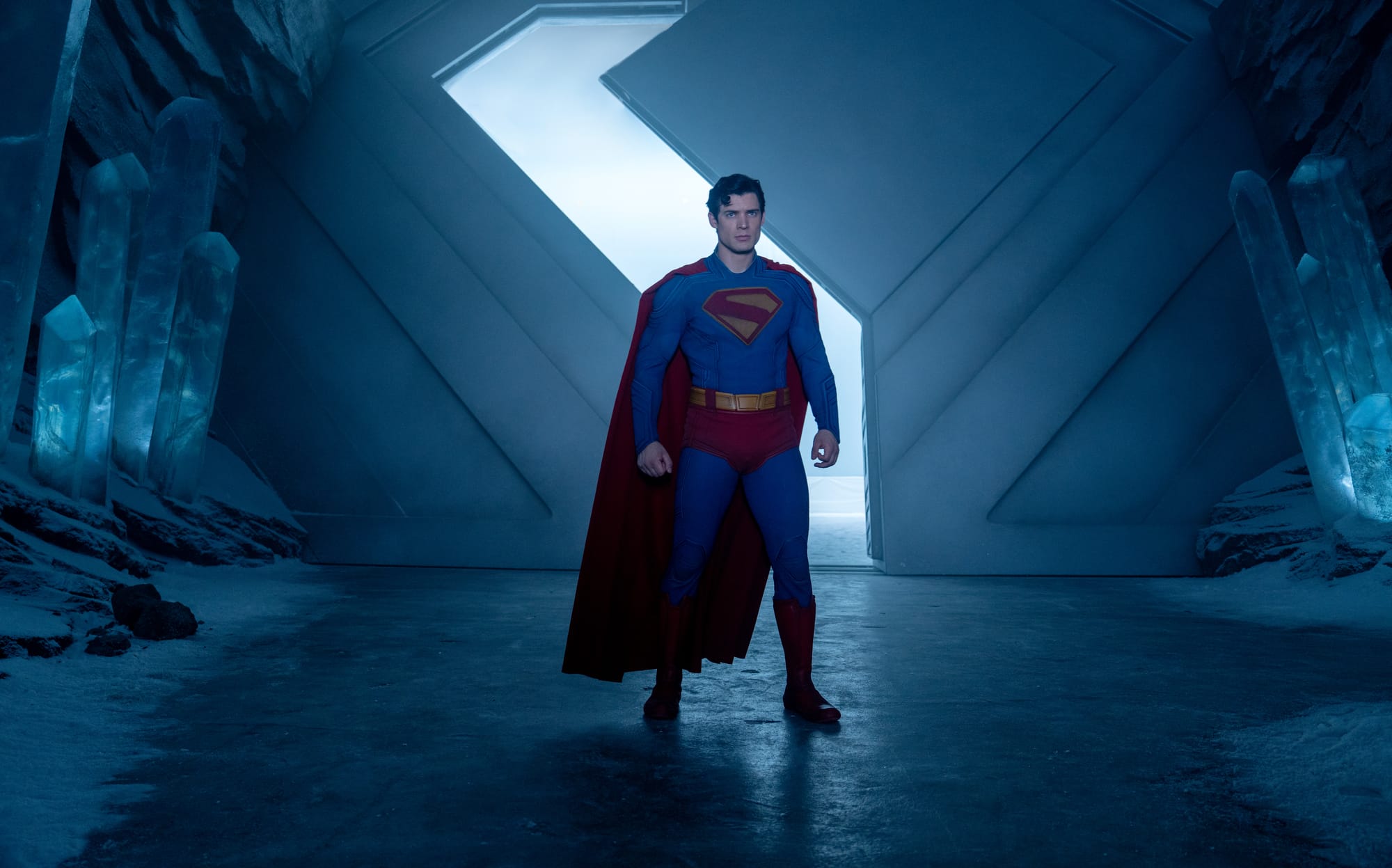
Gunn plants Superman in the middle of a geopolitical snarl between fictional nations Boravia and Jarhanpur; one intervention spirals into unintended consequences that Lex exploits with surgical cynicism. Meanwhile, María Gabriela de Faría’s Angela Spica—the Engineer—slides in as a nanotech‑enhanced wildcard, complicating the chessboard and giving the action a crisp, high‑concept texture. The film name‑checks “metahumans,” hints at a “Justice Gang,” and sprinkles in DCU connective tissue without turning into a glorified season pilot. If you’ve read Grant Morrison and Frank Quitely’s All‑Star Superman, you’ll feel the influence: the big‑hearted grandeur, the weightless tone, the faith in the character’s moral gravity.
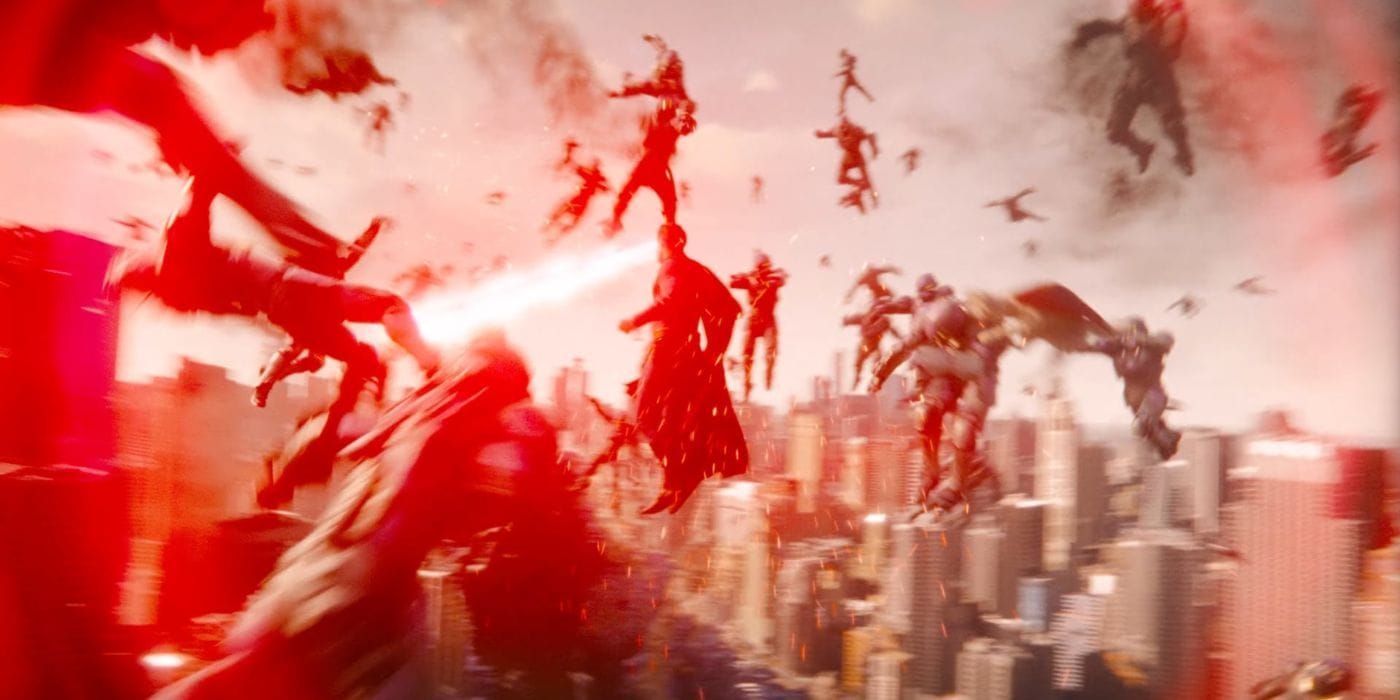
Is it a lot? Sometimes, yes. The pace zips; the movie jumps from city‑levelling crises to flirtatious apartment interviews to pocket‑universe calamities with the attention span of an excited golden retriever. That’s part of its charm and, occasionally, a headache. Even defenders concede the overstuffed sensation; the critical consensus on Rotten Tomatoes literally frames the film’s biggest achievement as giving us a whole world while keeping “a big, beating heart” front and center.
The Look, the Sound, the Feel
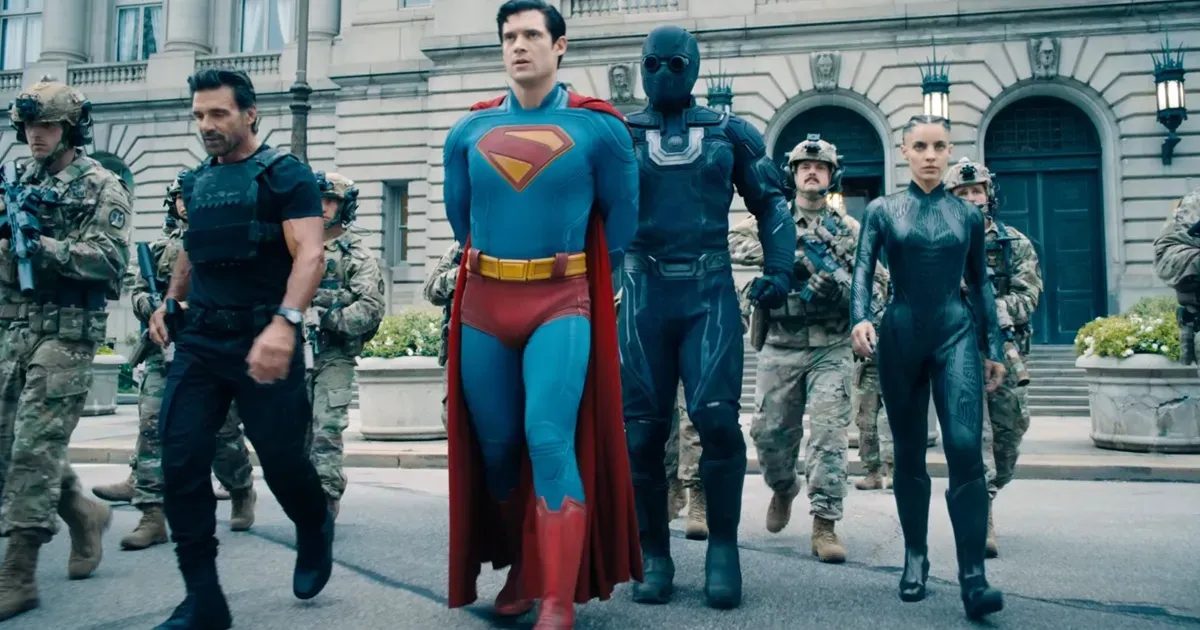
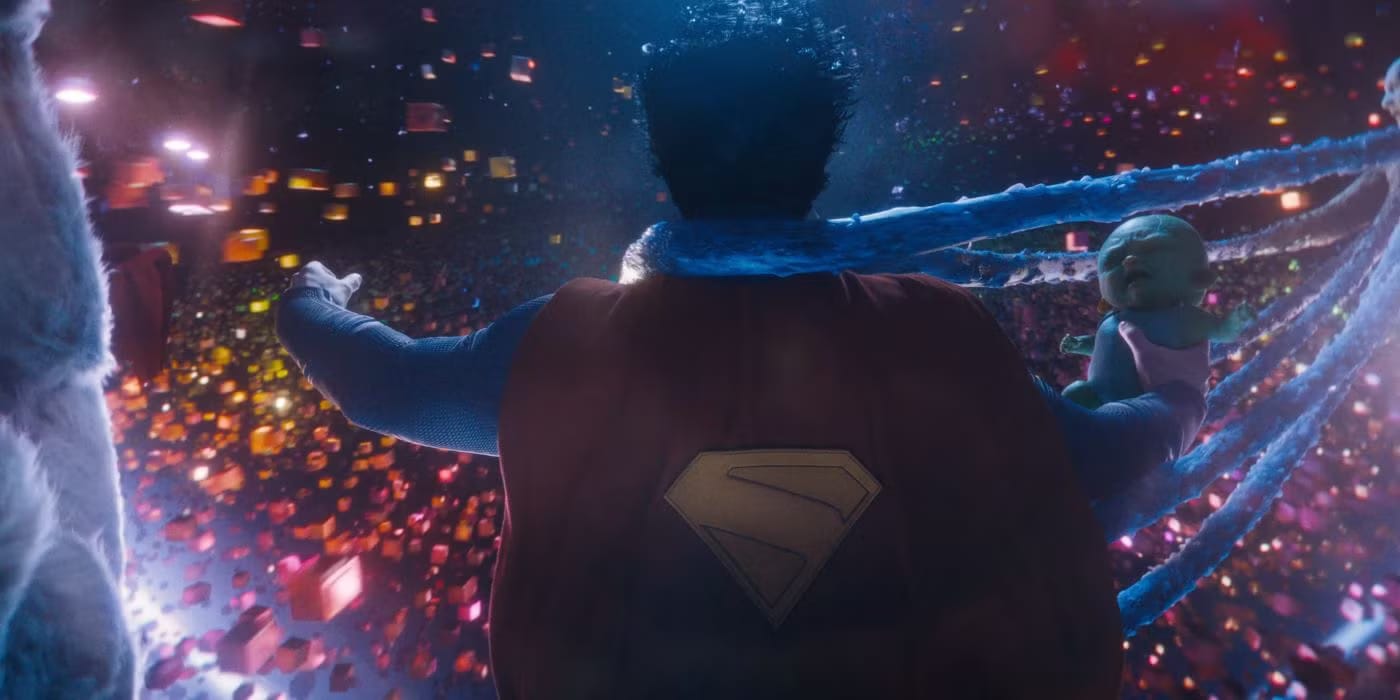
Shot by Henry Braham, the film adopts a clean, approachable 1.85:1 canvas that favors faces and mid‑shots over oppressively “epic” scope—think intimacy over maximalism.

It was captured on RED’s IMAX‑certified gear, and you can feel how the camera hugs performances even in blow‑out set pieces. Gunn and Braham keep the action readable and, crucially, pleasant to look at—bright blues, candy‑apple reds—without tipping into Saturday‑morning flatness.
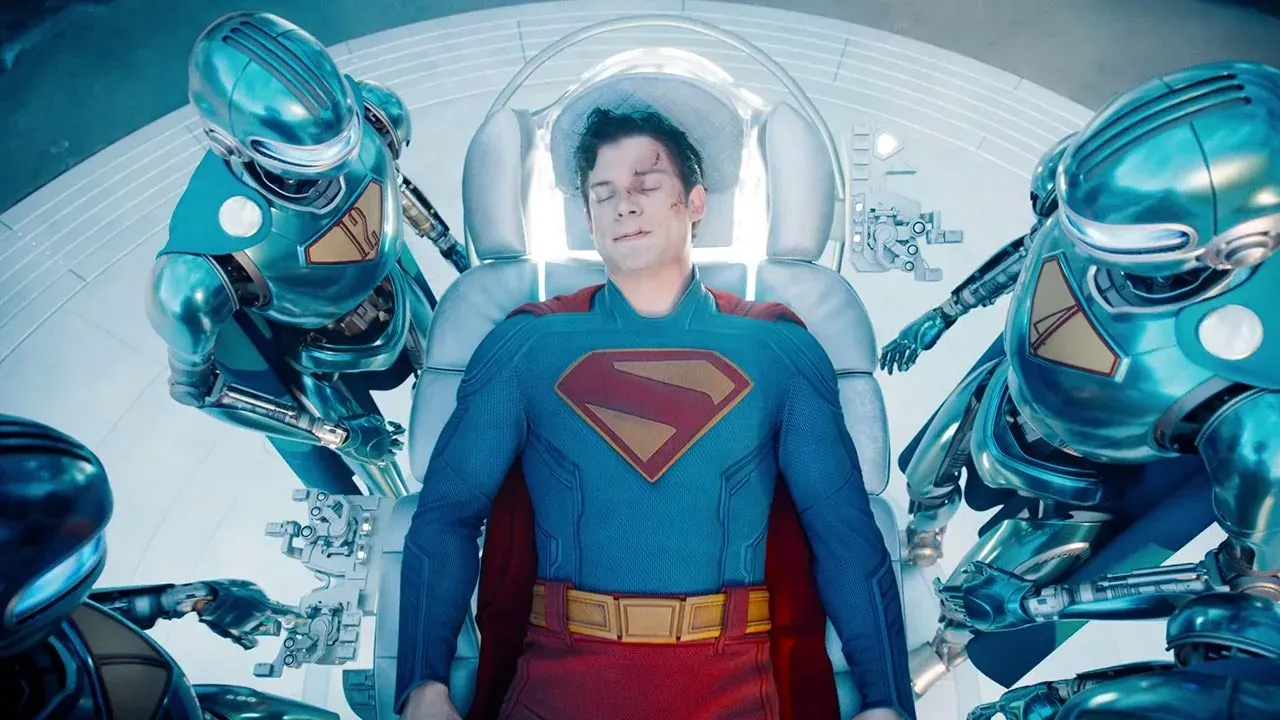
Musically, the choice is catnip: John Murphy (with David Fleming) threads new motifs for Lois & Clark and Lex while reimagining John Williams’s iconic march—yes, that march—in a way that winks at nostalgia without drowning in it. Kinetophone’s notes on the official soundtrack spell out the approach: sweeping themes for the headliners, character‑specific ideas for the Justice Gang and the Daily Planet, even a playful signature for Krypto. The result is a score that feels classic but not embalmed, and when that familiar Williams DNA peeks through, the theater’s temperature rises ten degrees.
For the stat‑minded: the movie runs a brisk 129 minutes and carries a PG‑13 for action, violence, and some language—a runtime Gunn himself confirmed in the run‑up to release. The package was literally “filmed for IMAX,” and if you’re a format fiend, the theatrical presentation rewards it with airy, bright imagery that doesn’t get crushed into sludge.
The Numbers (Because They Matter in the DCU)
Superman opened to $122 million domestically and $217 million worldwide—good enough for the biggest solo‑Superman launch ever—and has since sailed past $594 million globally. It’s also the top‑grossing superhero debut of 2025 to date and, by now, seventh on the year’s worldwide chart. Meanwhile, the A– CinemaScore and generally favorable 68 on Metacritic tell a consistent story: broad audiences are happy, critics are mostly positive, and the few curmudgeons cite bloat rather than boredom. If you missed it in theaters, the film hit digital platforms August 15; physical media lands September 23 with a pile of bonus features.
Where It Wobbles
Three things may test your patience:
- The “try everything” pacing. The movie occasionally confuses momentum for meaning, sprinting from one cool idea to the next before the previous one lands. The Post dubbed it a “pinball game,” and you’ll know what that means when Act Two stacks three major reveals inside ten minutes.
- The ensemble’s double‑edge. It’s thrilling to see Guy Gardner, Hawkgirl, Mister Terrific, Metamorpho, Jimmy, Eve, Otis, and more—but first‑timers to DC lore might want a program. Gunn mostly keeps Clark and Lois in focus, but the story sometimes feels like it’s speed‑dating its supporting cast. (Time Out’s “overstuffed” tag isn’t wrong, even if the stuffing is tasty.)
- Tone clashes. Gunn’s puckish humor rubs against the square‑jawed purity of Superman. Most of the time, the clash creates spark; occasionally it feels off‑key, especially when a quip undercuts a big emotional beat. That said, Krypto earns his laughs honestly, and the movie never treats Clark’s goodness like a punchline.
What It Gets Right (That Really Matters)
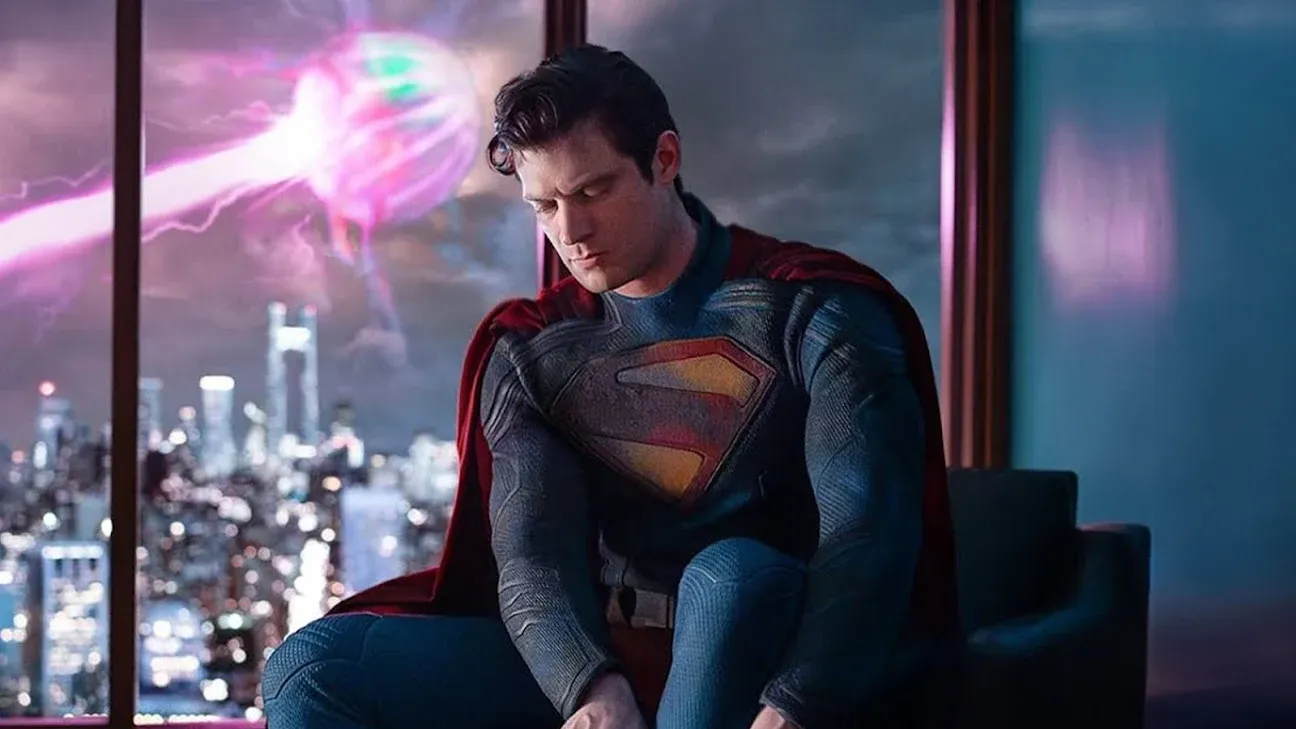
The essential question isn’t “Is Superman perfect?” It’s “Does it make the case for Superman—now?” On that front, Gunn and Corenswet deliver. The movie confidently re‑centers the character around compassion, responsibility, and faith in people. It also updates the friction points for 2025: weaponized misinformation; geopolitics that resist clean punches; public opinion as a superpower and a kryptonite. Hoult’s Lex isn’t strong because he invents bigger lasers, but because he can steer the story. The film argues that truth still matters—and that the strongest man alive needs a reporter by his side.
There are lovely micro‑choices, too: Brosnahan’s Lois is the beating pulse; Wendell Pierce’s Perry White brings newsroom gravitas; and Gathegi’s Mister Terrific supplies a different definition of “super” altogether—curiosity and ethics as heroism.

Even Carrigan’s Metamorpho, caught between coercion and conscience, gestures toward the DCU’s capacity for grown‑up shades without forfeiting fun.
Verdict: Up, Up, and A‑Way
Gunn’s Superman isn’t a flawless reinvention; it’s a spirited re‑invitation. When it flies, it soars—buoyed by Corenswet’s humane center, Brosnahan’s whip‑smart Lois, a thematically relevant Lex, and a visual-musical package that honors the past while feeling unashamedly modern. When it stumbles, it’s because it’s trying to do too much too fast. But here’s the thing: even the stumbles are in pursuit of generosity—of giving you a whole world rather than a fenced‑off origin.
If you come to superhero movies for cynicism, you’ll find this one hopelessly earnest. If you come for wonder, momentum, and the simple pleasure of watching decency refuse to blink, you’ll feel seen. The “S” on the chest, once again, means hope—and that, in 2025, might be the bravest creative choice of all.
Nuts & Bolts (for the curious)
• Rating/Runtime/Format: PG‑13; 129 minutes; filmed for IMAX with RED’s IMAX‑certified system; presented at 1.85:1 with Dolby Atmos sound.
• Cast highlights: David Corenswet (Clark/Superman), Rachel Brosnahan (Lois), Nicholas Hoult (Lex), Nathan Fillion (Guy Gardner), Isabela Merced (Hawkgirl), Edi Gathegi (Mister Terrific), Anthony Carrigan (Metamorpho), Skyler Gisondo (Jimmy Olsen), Sara Sampaio (Eve Teschmacher), Terence Rosemore (Otis), and María Gabriela de Faría (the Engineer).
• Music: John Murphy & David Fleming’s score revisits John Williams’s march with fresh orchestration and new character themes.
• Reception & Box Office: RT 83% / 91% (critics/audience); Metacritic 68; A– CinemaScore; $594.5M worldwide (as of mid‑August), after a $122M U.S. opening. Digital arrived Aug. 15; discs drop Sept. 23.
Published on Hidden Gems & Limelight—where we hunt for the overlooked, the overhyped, and the occasional cape that actually fits.